The United States is one of the largest mobility markets in the world, and demand for folding power wheelchairs keeps growing as the population ages and travel-friendly designs improve. For a distributor or importer, that scale is the opportunity — but it comes with a condition many newcomers underestimate: in the US, a power wheelchair is not a consumer gadget, it is a medical device, regulated by the FDA (US Food and Drug Administration). Get the product right but the regulatory route wrong, and goods can be detained at the border before they ever reach a customer.
This is a roadmap, not a deep dive into any single step. It walks you end to end — from picking the right manufacturer to after-sales — so you can see the whole path before you commit capital. For the FDA mechanics themselves (device class, registration, listing, 510(k) and the quality system), see our dedicated guide linked at the end; here we focus on how the pieces fit together for someone bringing a line into the US.
The market-entry roadmap at a glance
Think of US entry as seven connected stages. Each one has an owner, and the most common mistakes come from assuming the factory covers stages that are actually yours.
| # | Stage | What it involves | Who typically owns it |
|---|---|---|---|
| 1 | Choose the manufacturer | Pick a factory-direct maker; get its FDA status in writing | You (due diligence) |
| 2 | US establishment registration & US Agent | Foreign maker registers; a US-based agent is named as the FDA's contact | Manufacturer + a designated US Agent |
| 3 | 510(k) premarket notification | Required for a Class II power wheelchair before US marketing | Manufacturer holds the technical substance |
| 4 | Importer responsibilities | Your own US registration/listing duties once goods enter the country | You (the US importer) |
| 5 | Logistics: UN38.3 + customs | Lithium-battery transport docs and customs clearance | You + your freight forwarder |
| 6 | Channel & distribution | DME networks, e-commerce, territory protection | You |
| 7 | After-sales | Spares, warranty handling, service path | Shared — agree in the contract |
The rest of this guide takes each stage in turn.
1. Choose the manufacturer — and confirm its FDA status in writing
Start by deciding whether you're dealing with a factory-direct manufacturer or a trading layer reselling someone else's output. A direct manufacturer controls quality, compliance and supply end to end, which matters enormously when a regulator may one day ask who built this device and under what process.
Then, before anything else US-specific, ask the supplier one blunt question: What is your FDA status, in writing? Read the answer literally. "Registration in progress" means in progress. It does not mean cleared, approved or listed. A supplier that states its position plainly — and lets you verify it — is showing you how it will behave when the stakes are higher.

2. Who does establishment registration, and who is the US Agent?
A foreign manufacturer that wants its device on the US market must be registered with the FDA, and — because the FDA needs a contact inside the country — must designate a US Agent. The US Agent is a US-based point of communication between the FDA and the overseas maker; it is not the same role as the importer, and it is not a rubber stamp.
Settle these roles early. For your shipments, you want to know exactly who is acting as manufacturer, who is the US Agent, and who is the US importer — before goods move, not after a question arrives at the port.
3. When is a 510(k) needed?
Powered wheelchairs are generally handled by the FDA as a Class II device — a moderate-risk category that typically requires a 510(k) premarket notification before the device can be marketed in the US. The 510(k) demonstrates the device is "substantially equivalent" to a product already legally on the US market; the FDA clears such devices, it does not "approve" them.
For your roadmap, the practical point is timing: a 510(k) is a substantive review with stages, not a same-week formality, and the technical substance behind it sits with the manufacturer. Treat any "exact clearance date" promise with caution. (The full mechanics — class, registration vs listing vs clearance, and the move to QMSR — are covered in the FDA-pathway guide linked below.)
4. The importer's own responsibilities
Here is the stage newcomers most often miss: a fully compliant factory does not erase your US-side duties. Once a device is brought into the United States, the importer / initial distributor has its own FDA registration and listing obligations. In other words, "the factory is registered" is not a complete answer to "are we covered to import?" — clarify your own role and obligations as the party bringing the goods in.
5. Logistics — UN38.3 and customs
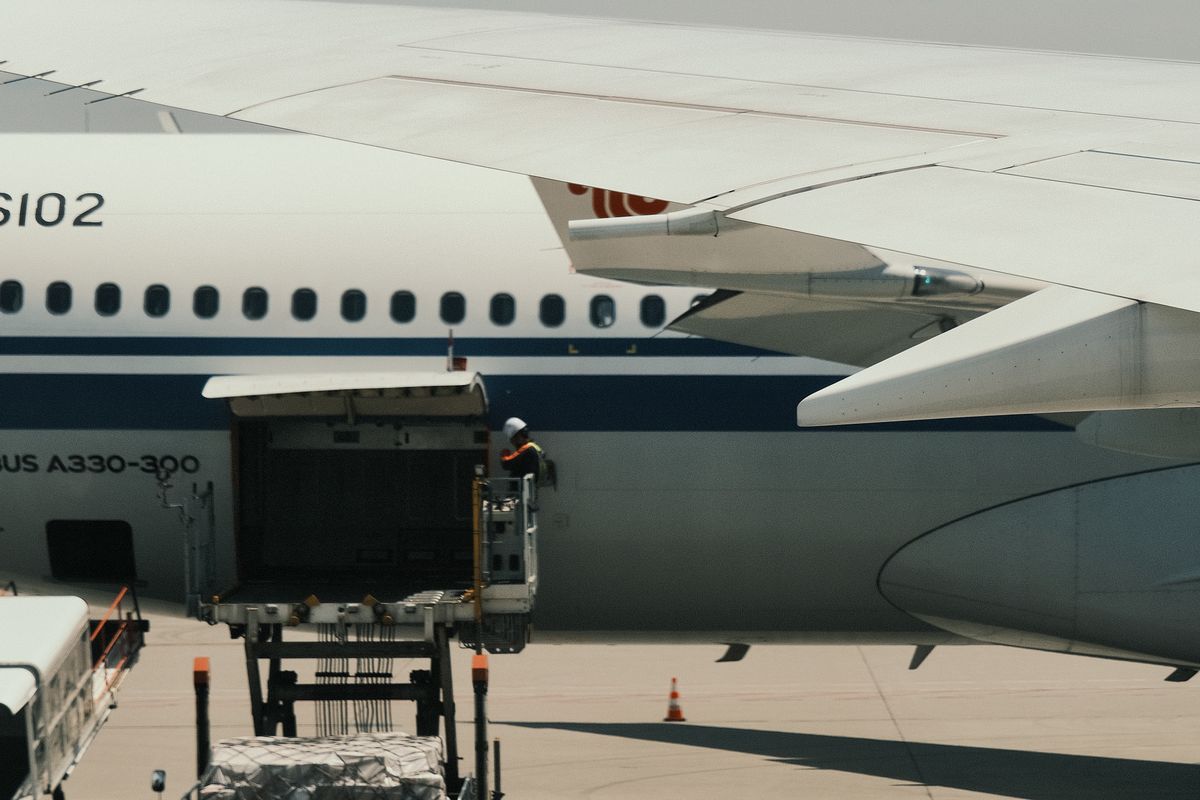
Every power wheelchair you import ships with a lithium battery, which makes it regulated dangerous goods in transit. The baseline transport credential is UN38.3, the test standard that qualifies a lithium battery to be transported by air or sea.
One caution that trips up buyers planning to market a "cabin-friendly" travel chair: UN38.3 means the battery is safe to transport — it does not by itself mean the chair can travel in an aircraft cabin. Cabin carry-on depends on the battery's watt-hours (Wh), and many airlines cap removable mobility batteries at roughly 300 Wh for the cabin. So a higher-capacity model (for example a dual-battery comfort chair) typically travels as freight, while a lightweight low-Wh chair is more cabin-friendly — confirm with the specific carrier. The transport documents, the air-vs-sea trade-off, and what customs and your forwarder will ask for are covered in our lithium-battery shipping guide linked below.
6. Channel, DME distribution and territory
With compliance and logistics mapped, decide how you'll sell. In the US, power wheelchairs commonly move through DME (durable medical equipment) retailers and networks, alongside e-commerce and specialist mobility dealers. Each channel carries different service expectations and margins.
If you're investing to build demand in a region, settle territory protection in writing so your work isn't undercut by a parallel buyer importing the same product behind you. How wholesale, distribution and private-label arrangements differ on control and territory is the subject of a separate guide (linked below) — choose the model that matches the commitment you're making.
7. After-sales
A medical device is a multi-year relationship, not a one-off sale. Agree before the first order who handles spare parts, who carries warranty cost, and what the service turnaround looks like. Buyers — and any institutional or DME accounts you supply — will ask, and a clear answer is part of how you win the channel.

Where Wanderoll actually stands
We'll be exact here, because US buyers can — and should — check the FDA's public databases in seconds:
Wanderoll's FDA 510(k) is in progress. Registration is underway, and the device is not yet cleared. Until clearance is granted, we make no claim of FDA clearance — we do not describe our chairs as FDA-cleared, FDA-approved, FDA-registered or FDA-listed. If anyone presents Wanderoll that way, it's incorrect, and we'd rather you know now than discover it at a border.
What we can do: as a factory-direct manufacturer, we support buyers on the US registration pathway — sharing the technical documentation behind the submission and working with you on the importer / US Agent roles described above. If you ask us for a clearance timeline, the honest answer is "in progress — timeline on request," not a fixed date. For lines bound only for the EU / UK and other markets, this US discussion doesn't apply — there you're working with CE / EU MDR and ISO 13485 instead.
What an importer should verify
Whatever supplier you're talking to — us or anyone else — apply the same discipline before you commit:
- Get the FDA status in writing, and read it literally. "In progress" means in progress; "registered" is not "cleared."
- Check it yourself. Establishment registration, device listing and 510(k) clearances are searchable in the FDA's public databases — verify any claim against the record.
- Confirm the device, not just the company. A facility being registered does not mean your specific model is cleared — clearance attaches to a device.
- Pin down the US-side roles. Know who is the US importer and who is the US Agent before goods move.
- Don't let a CE mark or ISO certificate stand in for FDA. They're valuable, but the US has its own pathway.
A supplier that states its FDA position plainly, lets you verify it, and doesn't dress "in progress" up as "done" is a partner that understands the US market. If the regulatory language is vague or sounds too good to check, slow down.
Planning to bring a folding power-wheelchair line into the US? Tell us the models you're considering and we'll share our current FDA status in writing — in progress, stated honestly — along with the technical documentation and guidance on the importer / US Agent roles. → Request a quote