A plain-English glossary of the ~28 terms buyers meet when sourcing folding power wheelchairs — Wh, MOQ, OEM/ODM, CE, EU MDR, ISO 13485, UN38.3, Incoterms and more.
The numbers on a spec sheet — what they mean and how to read them.

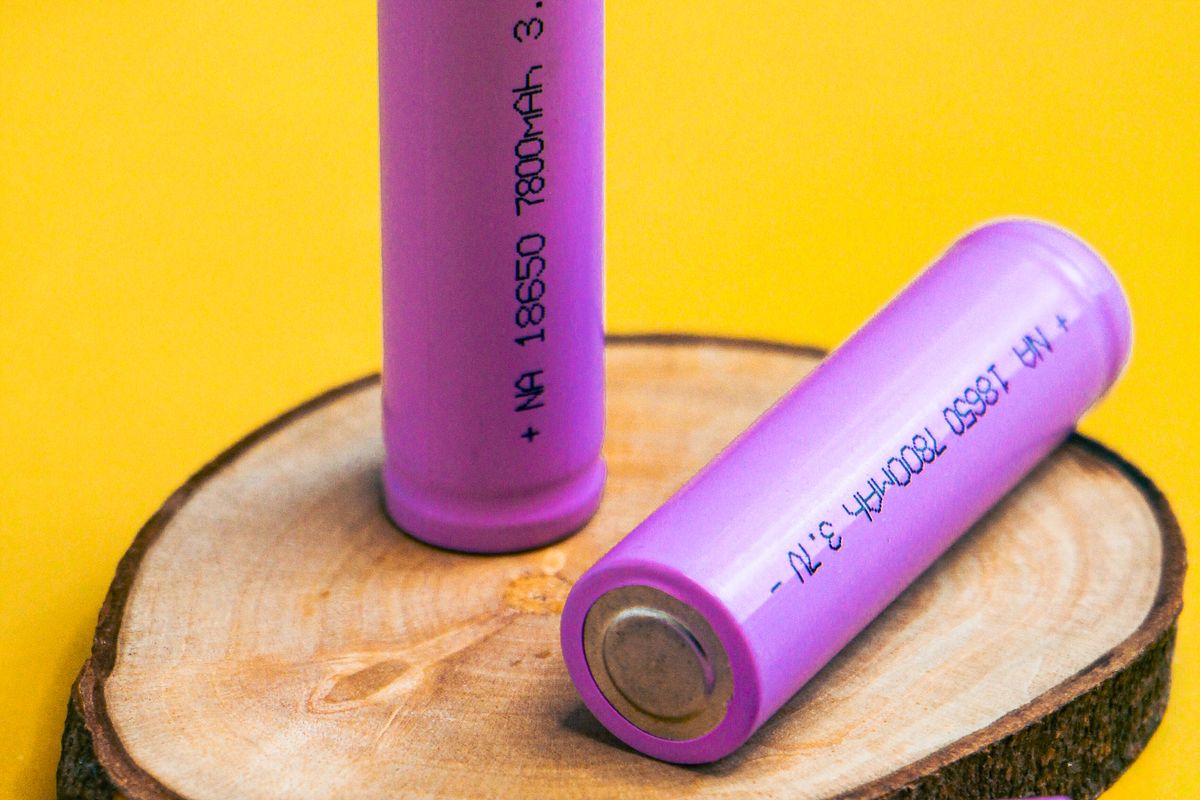
The energy capacity of a battery, calculated as voltage × amp-hours. It is the single most useful number for comparing how far a chair can travel and whether its battery clears airline cabin limits — see UN38.3 and Removable battery below.
The distance a chair can travel on a single full charge, usually stated in kilometres. Real-world range varies with rider weight, terrain, temperature and tyre pressure, so treat any quoted figure as a test-condition maximum, not a guarantee.

The maximum rider weight a chair is rated to carry safely, stated in kilograms. Several Wanderoll city models are rated to 150 kg. Always confirm the rating per model, as it differs across a range.
The front-to-back measurement of the seat, from the backrest to the front edge of the seat cushion. Correct seat depth affects rider posture and pressure distribution, and is a common ODM customisation request.
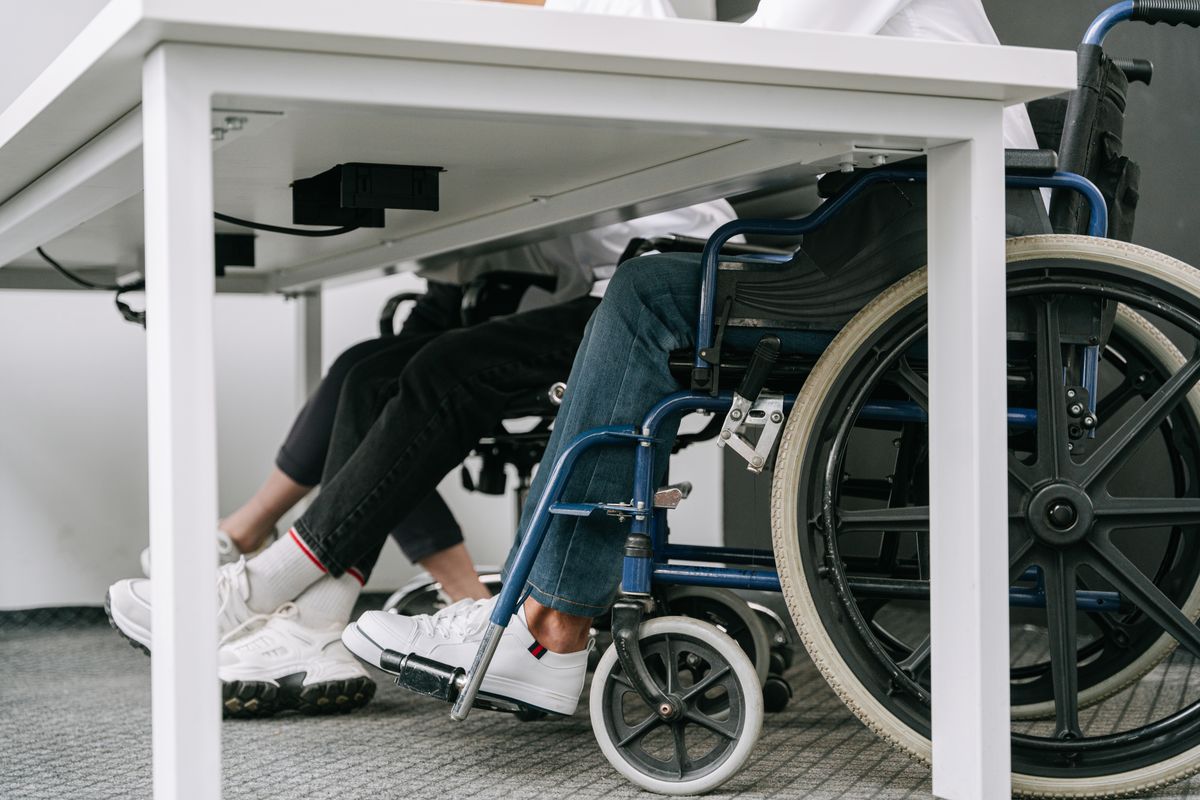
The side-to-side measurement of the seating area between the armrests. It is one of the most frequently adjusted dimensions in private-label and ODM orders to suit a target market's average build.
The vertical distance from the floor to the top of the seat cushion. It affects transfers, desk and table clearance, and how easily a rider's feet reach the ground.

The smallest circle a chair can turn within, stated as a radius or diameter. A tighter turning radius means better manoeuvrability in lifts, doorways and indoor spaces — a frequent end-user question worth knowing per model.
Motors, frames, batteries and folding — the hardware vocabulary.

An electric motor with no carbon brushes, using electronic commutation instead. It generally offers higher efficiency, longer service life and lower maintenance than a brushed motor. Several Wanderoll models use dual brushless motors.
A simpler, lower-cost electric motor that uses physical carbon brushes to transfer current to the rotor. Brushes wear over time and eventually need replacement, which is the main maintenance trade-off versus brushless designs.

The electronic unit, usually operated via a joystick, that interprets rider input and regulates power to the motors. It governs speed settings, acceleration and braking behaviour, and is one of the components that can be specified or adjusted in an ODM build.
The hinge-and-latch system that lets a chair collapse for transport or storage. Designs range from manual multi-step folds to one-touch or remote-controlled folding; fold method and folded size determine whether a chair fits a car boot or aircraft hold.

A seating function that tilts the whole seat — backrest and seat pan together at a fixed angle — to redistribute pressure without changing the rider's hip-to-back angle. It supports pressure relief and posture for riders who cannot reposition themselves.
A seating function that changes the backrest angle relative to the seat, opening the hip angle to let a rider lean back. Unlike tilt-in-space, the seat-to-back angle changes. Wanderoll's Recline Pro offers an adjustable reclining backrest with orthopaedic leg rests.

A composite material valued for a very high strength-to-weight ratio, used in frames to cut weight at a higher material cost. Wanderoll's Carbon One is a full carbon-fibre flagship at 16.5 kg. See the carbon-versus-aluminium guide for the full trade-off.
A common aircraft-grade aluminium alloy used for wheelchair frames, offering a strong balance of strength, weight, corrosion resistance and cost. It is the mainstream frame material for lightweight and travel chairs.

A battery pack that the user can detach without tools, typically for charging off-board or for air travel. Removability matters for transport because airlines assess a removable mobility battery by its watt-hours — see UN38.3.
OEM, ODM, MOQ and the terms that shape a private-label deal.

Original Equipment Manufacturer. In sourcing, an OEM arrangement puts your brand — logo, colours, manuals, packaging — on an existing, already-certified model, with the product itself unchanged. It is the fastest, lowest-risk route to launching a private-label range. Wanderoll offers OEM on its catalogue models.
Original Design Manufacturer. The manufacturer adapts the product itself — seat dimensions, battery, controller, upholstery, accessories — to your specification on its existing platform. It gives more differentiation than OEM but usually takes longer and carries higher minimums.

Selling a product manufactured by a supplier under your own brand name rather than the maker's. In practice this is delivered through an OEM or ODM arrangement; the terms overlap, with private label describing the commercial outcome and OEM/ODM the production route.
Minimum Order Quantity: the smallest number of units a supplier will accept for a given model or configuration. MOQ typically rises with the degree of customisation. Wanderoll quotes MOQ per model and customisation scope.

The elapsed time from a confirmed order to goods being ready to ship, covering production and quality control. It varies with model, order size and customisation, and is quoted per order.
A pre-production unit a buyer reviews and signs off before committing to bulk production. Sampling lets you verify build quality, fit and branding, and is a standard due-diligence step before a first container.

A contractual arrangement in which a manufacturer agrees not to supply competing buyers within a defined geographic area, protecting a distributor's market and margin. Terms should always be set out in writing.
Getting lithium-powered chairs across borders, compliantly.

Standardised international trade terms (published by the ICC) that define where the seller's responsibility ends and the buyer's begins for cost, risk and delivery. FOB (Free On Board): seller delivers goods onto the vessel; buyer covers freight and insurance onward. CIF (Cost, Insurance and Freight): seller covers freight and insurance to the destination port. DDP (Delivered Duty Paid): seller delivers cleared through customs with duties paid, the most all-inclusive term for the buyer.

A United Nations transport-safety standard: lithium batteries must pass a defined set of tests (altitude, thermal, vibration, shock and others) to be certified safe to transport by air, sea or road. Important: UN38.3 means a battery can be safely transported — it does not automatically mean the chair can go in an aircraft cabin. Cabin carry-on is governed by the battery's watt-hours (Wh), and many airlines cap removable mobility batteries at around 300 Wh for the cabin. Higher-capacity packs travel as freight. Collect the UN38.3 test summary per battery for customs and air freight.
The marks and documents customs and tenders check for.

A mark indicating a product meets the European Union's applicable health, safety and environmental requirements, allowing it to be placed on the EU/EEA market. For power wheelchairs, CE marking is tied to medical-device conformity under EU MDR. Confirm coverage per model, as not every model in a range necessarily carries every mark.
The European Union Medical Device Regulation, the framework governing medical devices (which power wheelchairs are) placed on the EU market. Conformity under MDR underpins the CE marking and is evidenced by a Declaration of Conformity.

An international standard for a quality management system specific to medical-device manufacturers. When sourcing, ask for the current certificate and check its expiry and scope — it is a baseline indicator that a supplier runs a controlled, auditable production process.
A document in which the manufacturer formally declares that a product meets the relevant regulatory requirements (for example, EU MDR for CE marking). Request it per model, since conformity is product-specific rather than company-wide.

UK Conformity Assessed, the United Kingdom's product marking used for goods placed on the Great Britain market following its departure from the EU. Depending on the product and timeline, CE marking and UKCA may both be accepted — confirm the current requirement for your import market.
Tell us the models, volumes and market — we’ll send the line sheet, certificates and OEM options.
Request a quote