
The EU and EEA together form one of the largest mobility-device markets in the world — an ageing population, reimbursement systems that fund mobility equipment, and demand spread across two dozen countries. For an importer or distributor, that's the opportunity. The catch is that it's also one of the most heavily regulated medical-device markets anywhere: a folding power wheelchair is a medical device in the EU, so getting it onto a shelf is a regulated process, not just a freight booking.
This guide is the end-to-end roadmap — supplier selection to after-sales — for distributors and importers entering the EU. It deliberately stays at the route-map level. For the deep detail on the two compliance steps, we've written separate pieces: CE marking, what it actually covers (15) and EU MDR 2017/745 for importers (16). Use this article to see the whole journey; use those two to drill into the regulatory core.
The roadmap at a glance
Here is the path from zero to selling, with what to confirm at each step. Work it in order — skipping a step usually means a held shipment or a stalled launch later.
| # | Step | What to confirm |
|---|---|---|
| 1 | Choose a manufacturer with the right certifications | CE · EU MDR 2017/745 · ISO 13485 · UN38.3, held by the maker of your models |
| 2 | Confirm per-model CE / MDR Declaration of Conformity | A DoC that names each model you'll import, citing EU MDR 2017/745 |
| 3 | Confirm the EU Authorised Representative | A non-EU manufacturer must have an EU Authorised Representative (EC REP) |
| 4 | Understand your economic-operator duties | As importer/distributor you are a named economic operator under MDR |
| 5 | Plan logistics: UN38.3 + customs | Lithium-battery transport docs and import clearance for each model |
| 6 | Set up your channel and territory | Distribution model, pricing position, and protected-territory terms |
| 7 | Stand up after-sales and spare parts | Warranty handling, complaint route, and a spare-parts supply line |
The rest of this article takes each step in turn.
Step 1 — Choose a manufacturer certified for your market
Everything downstream rests on this. The EU treats the power wheelchair as a medical device, so the manufacturer must be able to demonstrate conformity — and you inherit the consequences if they can't. Don't ask "are you certified?" — ask which certifications they hold, for which models, and request to see them. The four that matter for an EU launch are CE marking, EU MDR 2017/745 conformity, an ISO 13485 quality-management system, and UN38.3 for the lithium battery.
What to confirm: the manufacturer holds CE / EU MDR, a current ISO 13485 certificate, and UN38.3 for the batteries used in the models you want — and is willing to release the documents to a verified buyer.

Step 2 — Confirm the per-model Declaration of Conformity
This is the step importers most often get wrong, so it gets its own line on the roadmap. A CE mark and its Declaration of Conformity (DoC) cover a specific model or model family — not automatically every chair a factory makes. A supplier can be entirely genuine and still hand you a DoC that doesn't name the model in your order — and customs checks the document against the goods, not against the supplier's reputation.
What to confirm: for each model you intend to import, a Declaration of Conformity that names that exact model and references EU MDR 2017/745. If your range spans several models, you need a matching DoC for each. (The CE-marking guide (15) walks through exactly what to read on the document.)
Step 3 — Sort out the EU Authorised Representative
A folding power wheelchair from outside the EU can't be placed on the EU market on documents alone. A non-EU manufacturer must appoint an EU Authorised Representative (EC REP) — an EU-based entity that acts as its regulatory point of contact and shares certain responsibilities.
What to confirm: that an EU Authorised Representative exists and is named, that the details appear where required on labelling and documentation, and that you keep those details on file — so if a competent authority or a customer asks who the EU representative is, you can answer immediately.
Step 4 — Know your duties as an economic operator
Under EU MDR, the importer and the distributor are named "economic operators" with their own legal duties — you are not a passive buyer who receives a CE-marked box. In practice the importer is expected to verify the device is CE-marked, that a Declaration of Conformity exists, that an EU Authorised Representative is appointed, and that labelling and UDI requirements are met — and to keep records. You don't author the technical file, but you must check the right pieces are in place, ensure your importer details are identifiable on the product or packaging, and have a route to pass complaints back up the chain.
What to confirm: your own obligations for the role you're playing — and note that if you private-label the chairs under your own brand, your obligations can rise toward the manufacturer's, so clarify this early. The MDR-for-importers guide (16) lays out the full economic-operator chain.
Step 5 — Plan logistics: UN38.3 and customs
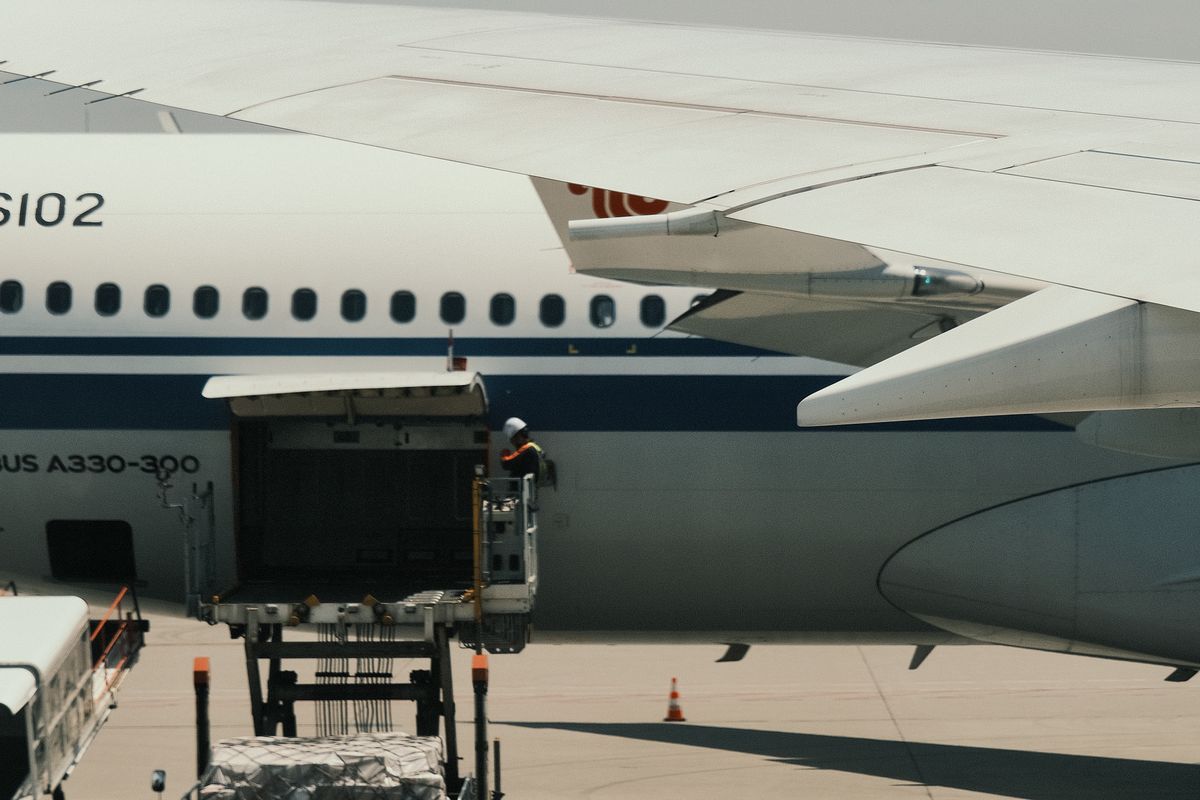
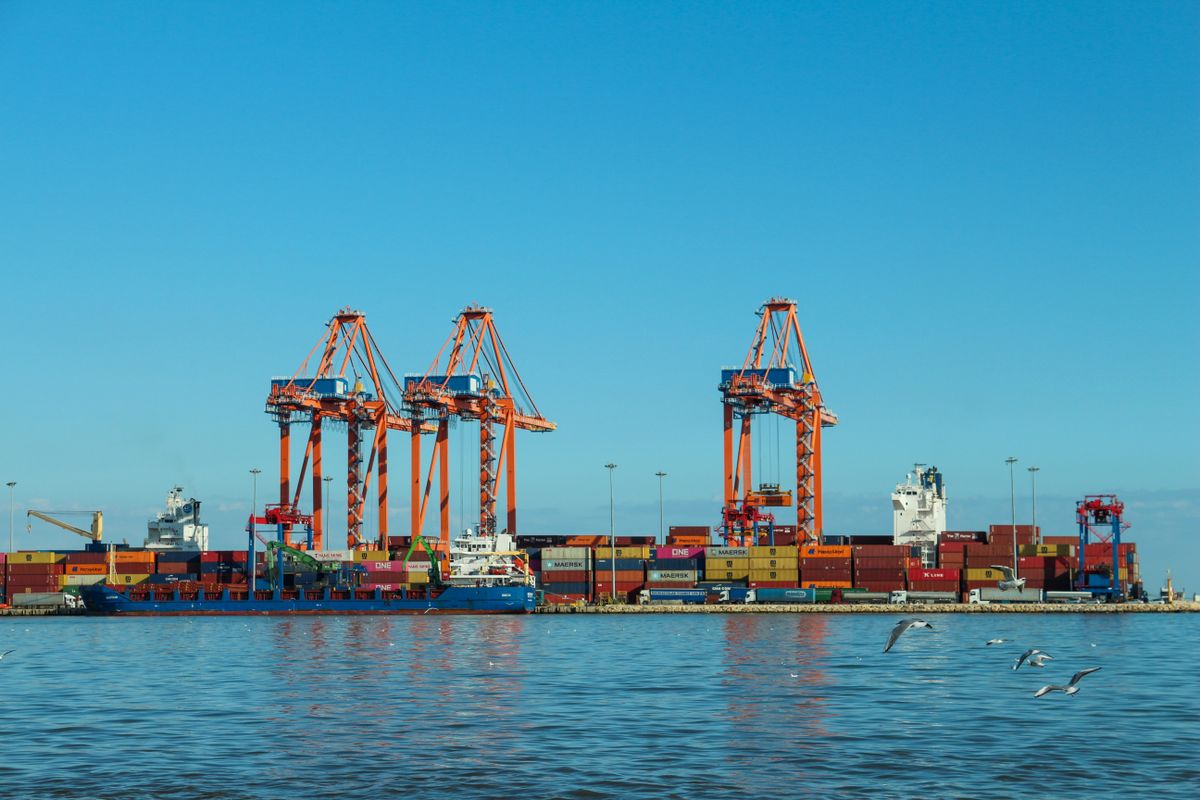
Power wheelchairs ship with lithium batteries, which makes transport a regulated step of its own. UN38.3 is the test standard that certifies a lithium battery is safe to transport — and you'll need it for both air and sea freight. Build clearance into your timeline too: as a medical device, each model needs its import paperwork to line up with the goods.
One point worth flagging for your sales team: UN38.3 means the battery is safe to transport — it does not automatically mean the chair can go in an aircraft cabin. Cabin carry-on depends on the battery's watt-hours (Wh), and many airlines cap removable mobility batteries at around 300 Wh for the cabin. A higher-capacity model can be perfectly compliant for freight and still travel as checked cargo rather than carry-on. Confirm with the specific carrier.
What to confirm: UN38.3 documentation for each battery you're importing, and a customs-clearance plan that maps documents to models before the first container moves.
Step 6 — Set up your channel, distribution and territory
With the goods compliant and on the water, the commercial side decides whether the launch pays. Decide your distribution model — direct to DME retailers and clinics, through sub-distributors, via e-commerce, or a mix — and where you'll position on price. The factor that most often protects margin is territory: agreeing, in writing, that your region is yours, so the same product doesn't appear underneath you through another channel.
What to confirm: a distribution plan for your market, and protected-territory terms in writing before you place a first order.
Step 7 — Stand up after-sales and spare parts
The EU sale doesn't end at delivery. Buyers, clinics and tender desks will ask about warranty, complaint handling and spare-parts availability before they commit — and your MDR duty to forward complaints up the chain needs a working channel, not an afterthought. Line up your spare-parts supply (controllers, batteries, castors, upholstery) so a repair doesn't mean a replacement.
What to confirm: a warranty and complaint-handling process for your market, and a spare-parts supply line agreed with your manufacturer.
How Wanderoll supports an EU launch
We're a folding power wheelchair manufacturer, supplying importers and distributors — so this roadmap is the conversation we have with every EU partner. Concretely:
- Certifications — our range is CE · EU MDR 2017/745 · ISO 13485 · UN38.3, with coverage confirmed per model, and the matching certificates and Declarations of Conformity released to verified buyers on request.
- Documentation under your brand — as an OEM / ODM partner we can prepare the CE / EU MDR documentation under your brand, model by model.
- EU Authorised Representative path — we help you confirm and record the EU Authorised Representative details for your shipments.
- Protected territories — we work on defended territories, so your margin isn't undercut by the same product appearing beneath you.
- A focused, ten-model line — enough range to cover most EU demand without a thousand SKUs to manage.
On the US: our FDA 510(k) is in progress, not yet cleared — CE / EU MDR governs EEA access only, so keep the two markets separate in your paperwork.
Planning an EU launch for folding power wheelchairs? Tell us your target countries and models, and we'll walk the roadmap with you — per-model CE / EU MDR Declaration of Conformity, EU Authorised Representative path, ISO 13485 and UN38.3 — confirmed model by model, under your brand. → Request a quote