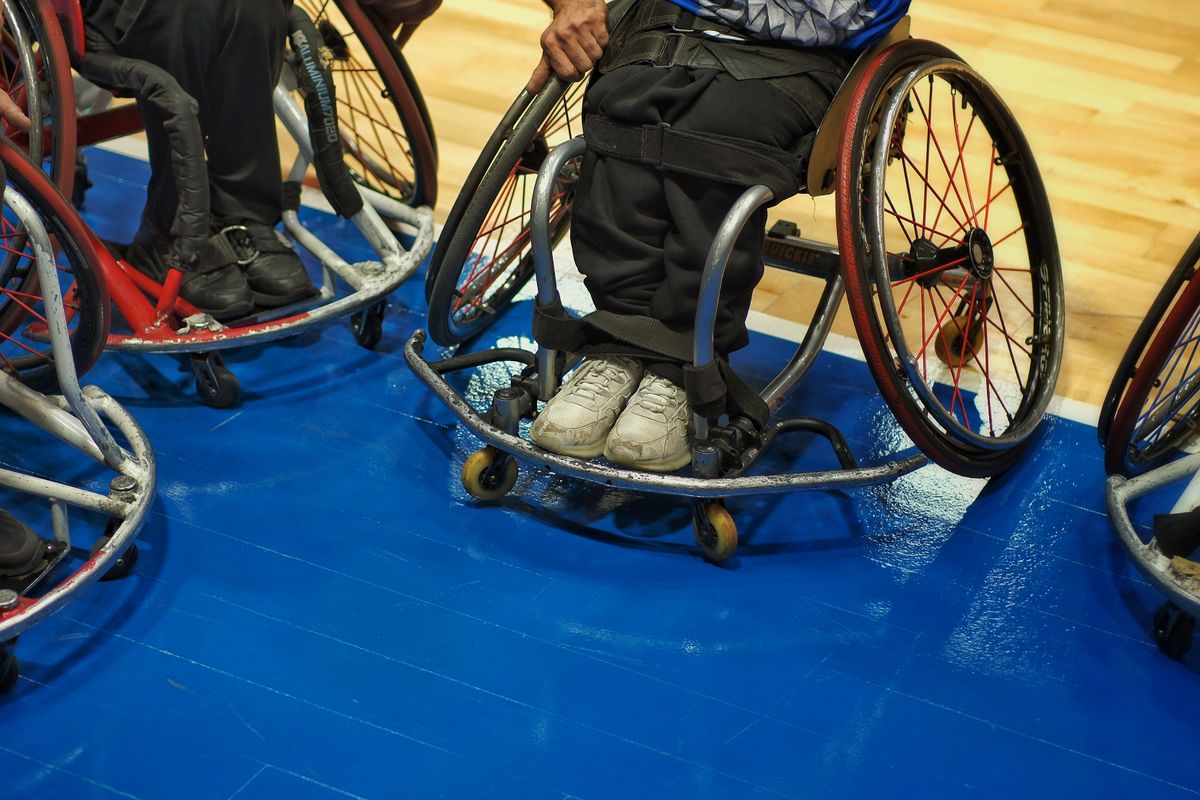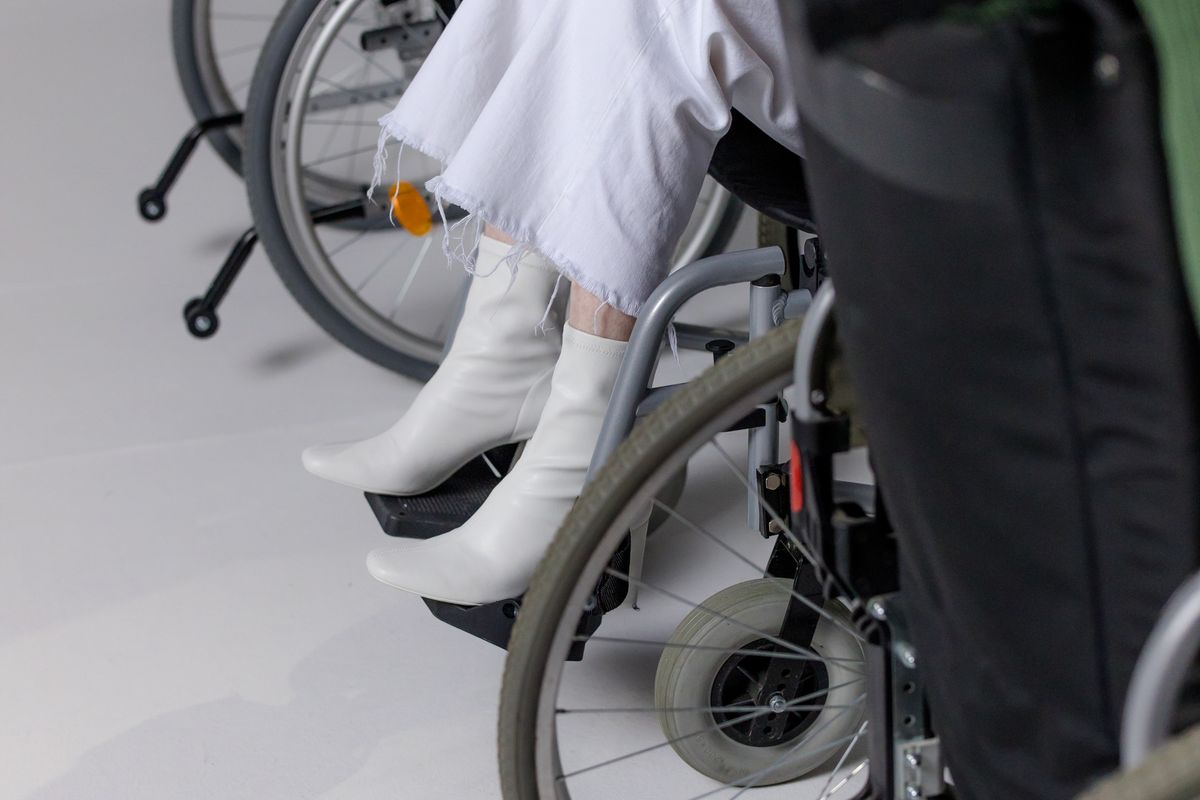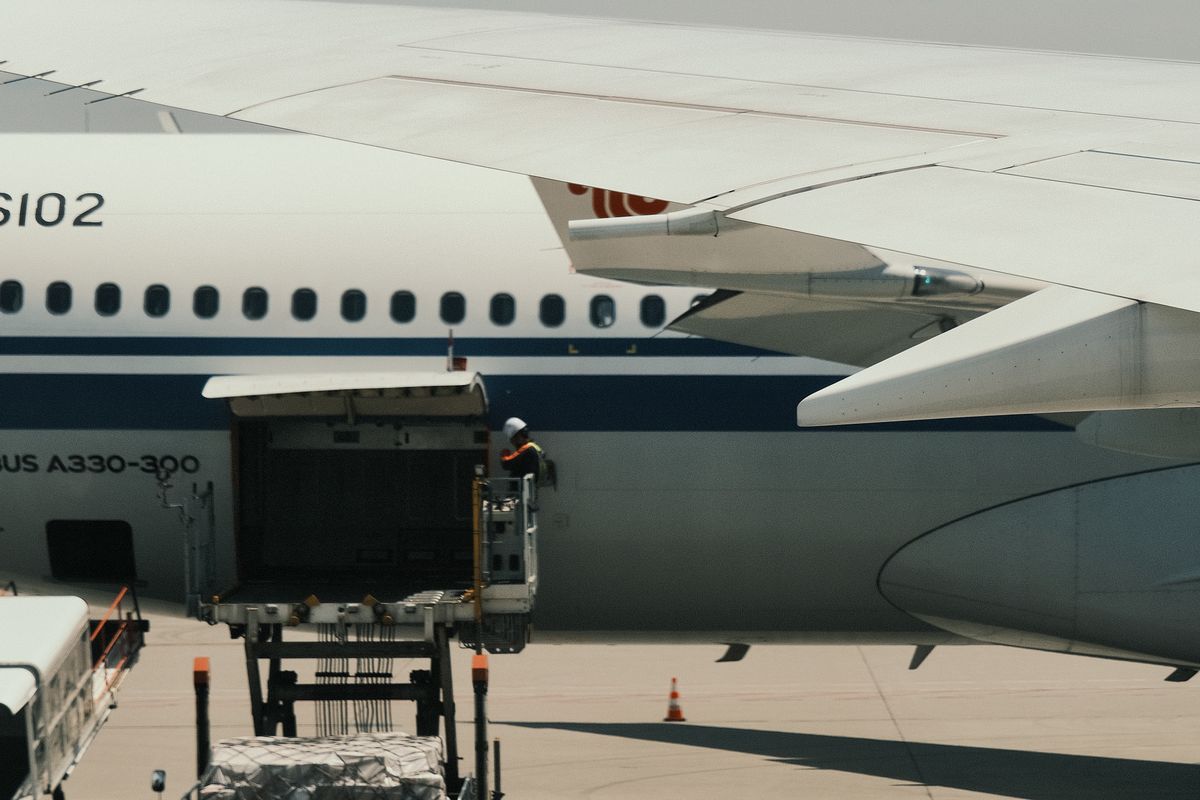
A folding power wheelchair contains a lithium battery — and that makes it regulated dangerous goods the moment it leaves the factory. For an importer or freight forwarder, this isn't a detail to sort out at the port; it shapes how the goods move, what they cost to move, and which documents clear customs. Get the paperwork right up front and shipments flow. Get it wrong and a container can sit while a missing test summary is chased down.
Here's the practical version for buyers booking freight on lithium-battery wheelchairs.
1. Why lithium batteries are "dangerous goods"
Lithium cells store a lot of energy in a small package, so international transport rules classify them as Class 9 dangerous goods. That classification is what triggers the special packaging, labelling and documentation below — it is not a quality problem with the product, just the category the battery falls into.
For a complete wheelchair, two UN numbers usually apply:
- UN3171 — a battery-powered vehicle (the chair shipped with its battery installed).
- UN3481 — lithium-ion batteries packed with, or contained in, equipment (the chair plus spare or quick-release batteries).
Which one applies depends on how the unit is packed and whether spare batteries travel with it — your forwarder confirms the exact declaration per shipment. Wanderoll's batteries are Li chemistry and ship under the regime described here.
2. What UN38.3 is — and why transport needs it
UN38.3 is a section of the UN Manual of Tests and Criteria. To pass, a battery is put through a series of abuse tests — altitude simulation, thermal cycling, vibration, shock, external short circuit and others — that prove the cell can be transported safely.
In practice, no carrier — air or sea — will knowingly move a lithium battery without UN38.3 behind it. It is the baseline that makes the battery shippable at all. The output you actually file is the UN38.3 Test Summary, a standardised document your forwarder and the carrier will ask to see.
Important: UN38.3 means the battery is certified safe to transport. It does not mean the chair can be carried into an aircraft cabin — cabin carry-on is a separate question governed by the battery's watt-hours and each airline's own rules. (We cover cabin limits in a separate guide.) For freight — the subject of this article — UN38.3 is what matters.
3. Air vs sea: the trade-off
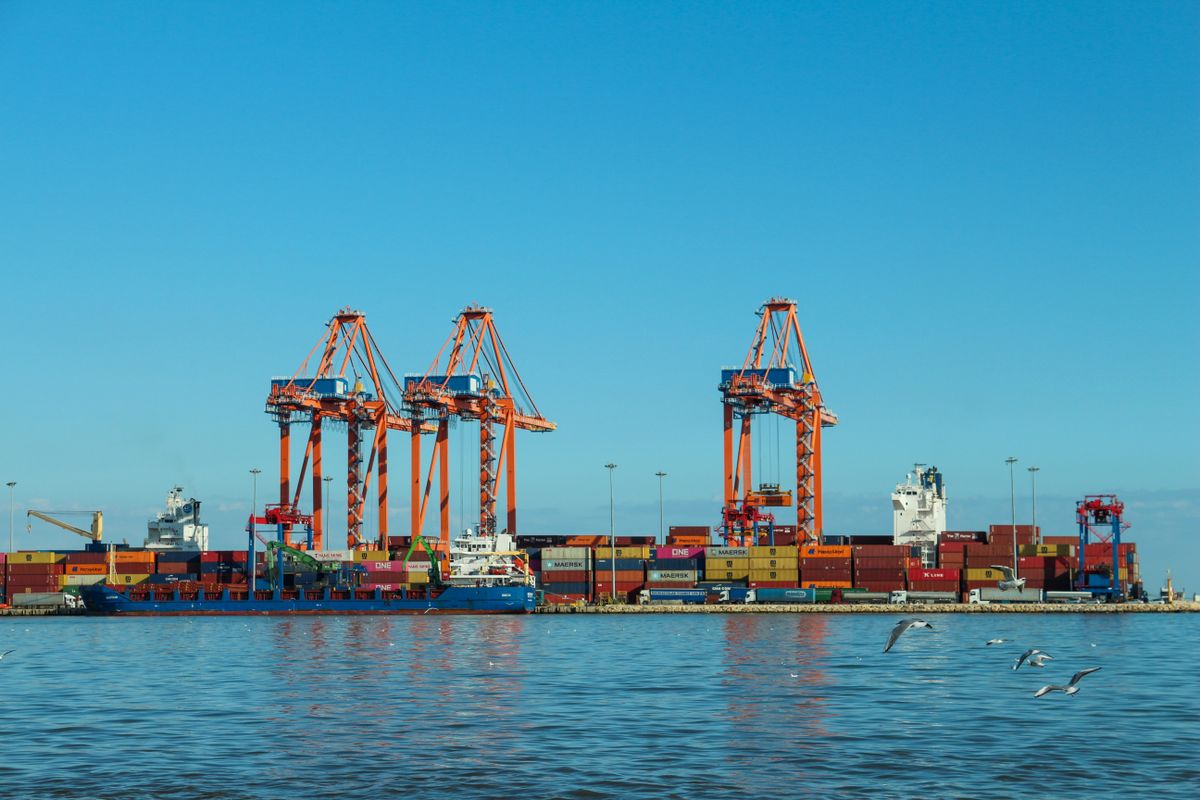
Both modes move lithium-battery wheelchairs every day. The choice comes down to speed, cost and how strict the dangerous-goods handling is. Air freight is fast but tightly regulated for lithium batteries; sea freight is cheaper per unit and the usual choice for full container loads.
| Air freight | Sea freight | |
|---|---|---|
| Transit time | Days | Weeks |
| Cost per unit | Higher | Lower — best for volume |
| Best for | Samples, urgent / small orders | Full / part container loads, regular resupply |
| Lithium rules | Strict — IATA Dangerous Goods Regulations; state-of-charge and quantity limits per package | IMDG Code; generally more tolerant of larger consignments |
| Battery handling | Often capped near 30% state of charge; spares may need to ship separately | Packed and declared per IMDG |
| Always required | UN38.3 Test Summary · SDS · DG declaration · correct UN3171/UN3481 marks & labels | Same document set |
Rule of thumb: air for samples and time-critical top-ups, sea for your main resupply once volume justifies a container. The document set is the same either way — only the handling rules and limits differ.
4. The documents customs and your forwarder ask for
Whatever the mode, plan to have this pack ready before booking. Missing paperwork is the most common reason a lithium-battery shipment is delayed:
- UN38.3 Test Summary — for each battery model in the shipment.
- Safety Data Sheet (SDS / MSDS) — for the battery.
- Dangerous Goods declaration — the shipper's DG declaration for air (IATA) or sea (IMDG).
- Correct packaging, marking and labelling — Class 9 lithium-battery mark and the right UN number (UN3171 or UN3481) on each package.
- Commercial invoice & packing list — with an accurate goods description and HS code for customs.
- Certificate of origin / market certificates as your import requires — e.g. CE / EU MDR conformity for EU entry.
Customs and carriers are checking two things: that the battery is tested safe to transport (UN38.3 + SDS) and that it is packed, marked and declared correctly (UN3171/UN3481 + DG declaration). Have both halves ready and clearance is routine.

5. How Wanderoll supports the shipment
We make the wheelchairs; we also make sure they can actually move. For every order, Wanderoll prepares the transport-compliance pack so your forwarder isn't left chasing documents:
- Batteries ship under UN38.3, and the Test Summary is provided per battery model to verified buyers on request.
- SDS for the battery and goods documentation are issued per shipment.
- Units are packed, marked and labelled for the correct UN number (UN3171 / UN3481) according to the mode you book.
- We ship by air or sea to your nominated forwarder, and supply the market certificates your customs entry needs — CE / EU MDR / ISO 13485 documentation released to verified buyers on request.
- We export to North America, Europe, Australia and Japan, so the dangerous-goods documentation is familiar territory, not a first-time exercise.
Tell us your destination port, mode and volumes, and we'll confirm the document pack and packing for your route — before you book the freight.
Planning your first lithium-battery shipment? Send us the destination and whether you want air or sea, and we'll send the transport-compliance document list for your order. → Request a quote