
Ask an end user why they chose one travel power wheelchair over another, and the answer is rarely the motor — it's how it folds. The fold decides whether the chair drops into a sedan boot, rides in a cruise cabin, or lives in a hallway cupboard between trips. For a distributor or importer, that makes the folding mechanism a core buying criterion, not a footnote. The catch is that "folding" covers several quite different mechanisms, and each one suits a different customer. Here's how the main types work, and how to pick a model by how it folds, how small it gets, and how fast.
Why the fold matters for travel and storage
A travel power wheelchair gets handled far more often than an everyday city chair. Over a single trip it may be lifted into a car boot, slid into a train luggage rack, wheeled to an airline check-in desk, and squeezed into a hotel room — frequently by a partner or carer, not a porter. Three properties decide whether that goes smoothly:
- Folded footprint — will it fit the boot, the cabin, the cupboard? This is about the chair's folded dimensions, not just its weight.
- Fold speed and effort — a kerbside fold under time pressure has to be quick and one- or two-handed, ideally without tools.
- What comes off — a removable battery is the feature airlines look for first, and it also lightens the heaviest single lift.
A chair can be light and still awkward if it folds into a bulky shape, or compact but slow if the fold needs several fiddly steps. So the mechanism — not the spec sheet weight alone — is what your sales team has to be able to explain.

The main folding mechanisms
There is no single "folding power wheelchair." Across the category, four mechanisms do most of the work:
1. Whole-frame fold (cross-frame / scissor fold). The entire frame collapses along a central hinge so the two sides come together, dropping the chair to its smallest overall footprint. This is the classic compact fold for travel — it produces the smallest stowed shape and usually the lowest boot height. The trade-off is that, on simpler designs, it can take a few deliberate steps. The best versions reduce that to a short, repeatable sequence.
2. Semi-folding backrest. Here the backrest folds down flat over the seat rather than the whole frame collapsing. It's quicker and simpler than a full frame fold and lowers the chair's height so it slides under a parcel shelf or into a shallow boot — while keeping a sturdier, more comfortable seating frame. It trades the absolute smallest footprint for speed, comfort and easy day-to-day handling.
3. Remote-control (auto) fold. A powered actuator folds the chair at the press of a button on a remote. The appeal is effort: a carer with limited strength, or a user travelling solo, doesn't have to bend and heave the frame. It's the most accessible fold for low-strength handling. The trade-offs are a slightly higher price and the folding motor's own (small) weight.
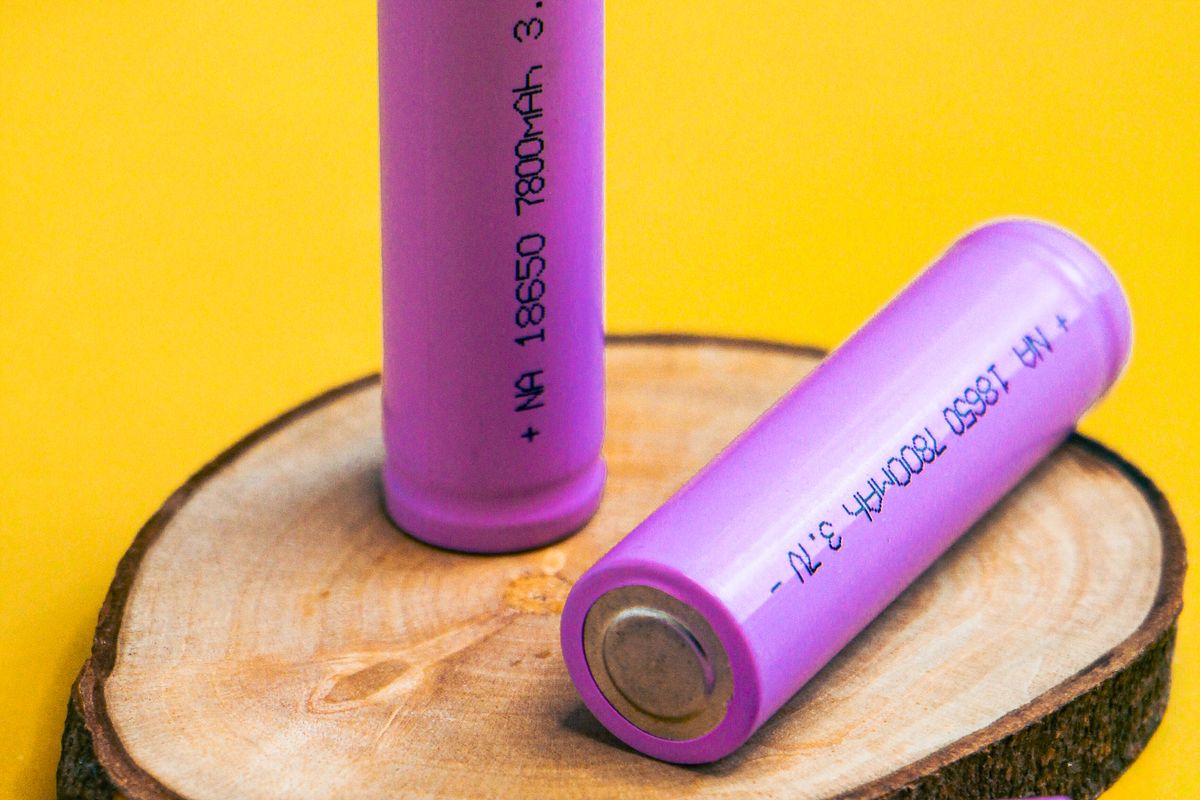
4. Quick-release battery (portability aid, not a fold). Strictly, this isn't a fold — it's a complementary mechanism. Pulling the lithium battery out drops the heaviest single component, makes the folded chair lighter to lift, and supplies the removable battery airlines require for carriage. The faster and more tool-free the battery release, the better for travel.
Most real chairs combine these: a whole-frame fold plus a quick-release battery, or a remote fold plus a removable pack. The right combination depends on the customer.
How Wanderoll implements each fold
Wanderoll builds these mechanisms across its ten-model line, so a buyer can match the fold type to the customer rather than settle for one approach:
- Scout — three-step whole-frame quick fold. Scout is a travel scooter-style chair that collapses the whole frame in three steps, with dual removable batteries and around 20 km of range at 23.5 kg. It's the pick when a buyer's customers want the smallest stowed footprint and a fold they can repeat quickly kerbside.
- City One — remote-control fold. City One folds via remote control and offers a dual battery bay (288 / 576 Wh configurations) with a 150 kg load rating. Lead with it for customers who value a powered, low-effort fold — solo travellers and carers handling the chair without heavy lifting.
- City Flex — semi-folding backrest. City Flex uses a new frame with a semi-folding backrest and two battery configurations (250 / 499 Wh) at 26.3 kg. It suits buyers whose customers want a fast, simple fold and a comfortable seating frame for longer days out, rather than the absolute smallest pack-down.
- Carbon One — most compact fold + 3-second battery release. Carbon One is the full carbon-fibre flagship: it folds down to 290 mm, lets the battery come out in about 3 seconds, and weighs 16.5 kg. It's the model to lead with when portability is the priority above all else.
The pattern is deliberate: a whole-frame fold for the smallest footprint (Scout), a powered fold for the lowest effort (City One), a backrest fold for comfort and speed (City Flex), and the most compact carbon fold with the fastest battery release for the lightest travel (Carbon One).
Folding type, representative model, and who it suits
| Folding mechanism | How it works | Representative model | Best-fit buyer |
|---|---|---|---|
| Whole-frame (cross-frame) fold | Frame collapses along a central hinge to its smallest footprint | Scout — three-step whole-frame fold, 23.5 kg | Customers who need the smallest stowed size and a quick, repeatable kerbside fold |
| Semi-folding backrest | Backrest folds flat over the seat; lower height, sturdier seat | City Flex — semi-folding backrest, 26.3 kg | Customers wanting a fast, simple fold with seating comfort |
| Remote-control (auto) fold | Powered actuator folds the chair at the press of a button | City One — remote-control fold, 150 kg load | Solo travellers and low-strength carers who can't lift a manual fold |
| Quick-release battery (portability aid) | Battery pulls out to lighten the lift and meet airline carriage rules | Carbon One — battery out in ~3 s; folds to 290 mm | Lightest-travel and most portability-focused customers |
Note: a chair's real-world stowability depends on its folded dimensions and weight together, not the mechanism name alone — and most models pair one fold type with a removable battery. Always compare folded size, weight and fold steps side by side, not just the label.
How to choose: boot, cabin or cupboard
Match the fold to where the chair actually has to go:
- Car boot / sedan trunk → prioritise the folded footprint and a low boot height. A whole-frame fold (Scout) gives the smallest shape; a semi-folding backrest (City Flex) is the easy-handling alternative when the boot is shallow rather than tiny.
- Aircraft cabin or hold → prioritise a removable battery and watt-hours (Wh). The battery's Wh, not the fold, drives airline acceptance — many carriers cap removable mobility batteries at around 300 Wh for the cabin, and rules vary by airline, so always confirm per carrier. A compact fold plus a fast battery release (Carbon One) is the travel-friendly combination.
- Home or facility storage → prioritise fold speed and effort over the last few millimetres of footprint. A remote-control fold (City One) or a quick backrest fold (City Flex) wins for daily put-away, especially where a carer handles the chair.
- Mixed channel → stock more than one mechanism. A single fold type won't fit every customer's boot, trip and strength — so range the fold, the way you'd range weight or price.
A practical rule: customers who travel by car or plane usually weight footprint and battery release highest; customers storing at home weight fold speed and effort highest. Stocking across the mechanisms lets you answer both without sending the buyer to a competitor.
Not sure which fold fits your customers? Tell us your channel and how they travel — boot, cabin or cupboard — and we'll recommend the whole-frame, semi-fold, remote-fold or quick-release models that match, with full folded dimensions and specs. → Request a quote