If your channel is travel and lifestyle mobility, three chairs in Wanderoll's ten-model line do most of the work: Carbon One, Air Lite and Air Pro. All three are built for the same job — light frame, compact fold, removable battery — but they sit at different points on price, material and seating, so picking between them is a real decision for a buyer building out a travel range. This page puts the three side by side, in one table, and then says plainly which buyer each one is for.
This is the close-up companion to the wider range overview, which maps all ten models. Here we go deep on just the three travel chairs. All figures below are catalogue specs; full certificates and test reports go to verified buyers on request. Battery chemistry is lithium ("Li"); exact cell chemistry is confirmed per order.
The short version
- Carbon One is the carbon-fibre flagship — the lightest and most compact of the three, and the highest perceived value.
- Air Lite is the value ultralight in aluminium — and the one with the cabin-friendly 240 Wh battery.
- Air Pro is the ergonomic-seat travel chair — a newer seat frame for comfort on longer days out.
If a buyer can only stock one, Air Lite is the safe volume pick; Carbon One is the hero; Air Pro is the comfort upgrade. Most distributors do better stocking two or three, so a customer's trip, budget and seating needs all have an answer.
The three travel chairs, side by side
| Spec | Carbon One | Air Lite | Air Pro |
|---|---|---|---|
| Frame material | Full carbon fibre | Aluminium, ultralight | Aluminium, ultralight |
| Weight | 16.5 kg | 17.6 kg | 18.4 kg |
| Motors | Twin 150 W brushless | Twin 200 W brushless | Twin 200 W brushless |
| Battery | Removable; out in ~3 seconds · Wh on request | Quick-release; 240 Wh | Removable · Wh on request |
| Fold | Folds to 290 mm; most compact | Compact travel fold | Light folding frame |
| Seat | Lightweight travel seat | Standard travel seat | New ergonomic seat frame |
| Cabin-friendliness | Most compact to pack; Wh to confirm before any cabin claim | Most cabin-friendly on Wh (240 Wh, under the common ~300 Wh cap)/ | Wh to confirm before any cabin claim |
| Best for which buyer | Premium / flagship travel retail; the "how light, how small" customer | Value travel retail & e-commerce; the cabin-minded customer | Travel buyers who want seating comfort on longer outings |
Read the table this way: weight climbs from 16.5 to 18.4 kg as you move from carbon to the ergonomic aluminium chair, and motor power steps up from 150 W to 200 W on the Air pair. There's no single "best" — there's a best for a given customer and price point.

Carbon One — the carbon-fibre flagship
Carbon One is the headline chair. A full carbon-fibre frame brings it to 16.5 kg, it folds down to 290 mm, the battery lifts out in about three seconds, and it runs twin 150 W brushless motors. It's the lightest and most compact of the three, and it carries the highest perceived value in the line — which is exactly why it works as a hero SKU for an own-brand catalogue.
Lead with Carbon One when a buyer's customers prize portability and premium feel above all, and when the channel can support a flagship price point. The lower 150 W motor rating reflects a light-and-nimble design rather than a power chair for long hills — frame the pitch around packability, not torque. Its battery watt-hours aren't published yet, so confirm the figure before making any cabin claim — see the note below.
Air Lite — the value ultralight
Air Lite is the aluminium ultralight workhorse at 17.6 kg, with twin 200 W brushless motors and a quick-release battery. It's the model to build volume around: lighter on price than the carbon flagship, more drive power than Carbon One on paper, and — the part travel buyers care about — a 240 Wh battery that sits under the ~300 Wh cap many airlines apply to removable mobility batteries. That makes it the most cabin-friendly chair of the three on watt-hours.
Lead with Air Lite for value travel retail and e-commerce, and for any customer whose first question is "will it fly?" It's the honest answer to the cabin question across the range. Of the three, it's the one to default to when a buyer wants a single travel SKU that covers the most demand.
Air Pro — the ergonomic seat
Air Pro shares the aluminium-ultralight DNA and the twin 200 W drive, with a removable battery, on a new ergonomic seat frame at 18.4 kg. The trade is small extra weight for better seating comfort — the pick for buyers whose customers travel often and sit in the chair for longer stretches (full days out, conferences, sightseeing), not just airport-to-hotel hops.
Lead with Air Pro when the seating experience is part of the sale and the customer will accept ~1 kg more than Carbon One for it. Like Carbon One, its battery watt-hours aren't published yet, so confirm Wh before positioning it on cabin carriage.

Will any of them fly? The cabin question
The question travel end users ask most — so your sales team should answer it cleanly. Two things get confused, so separate them:
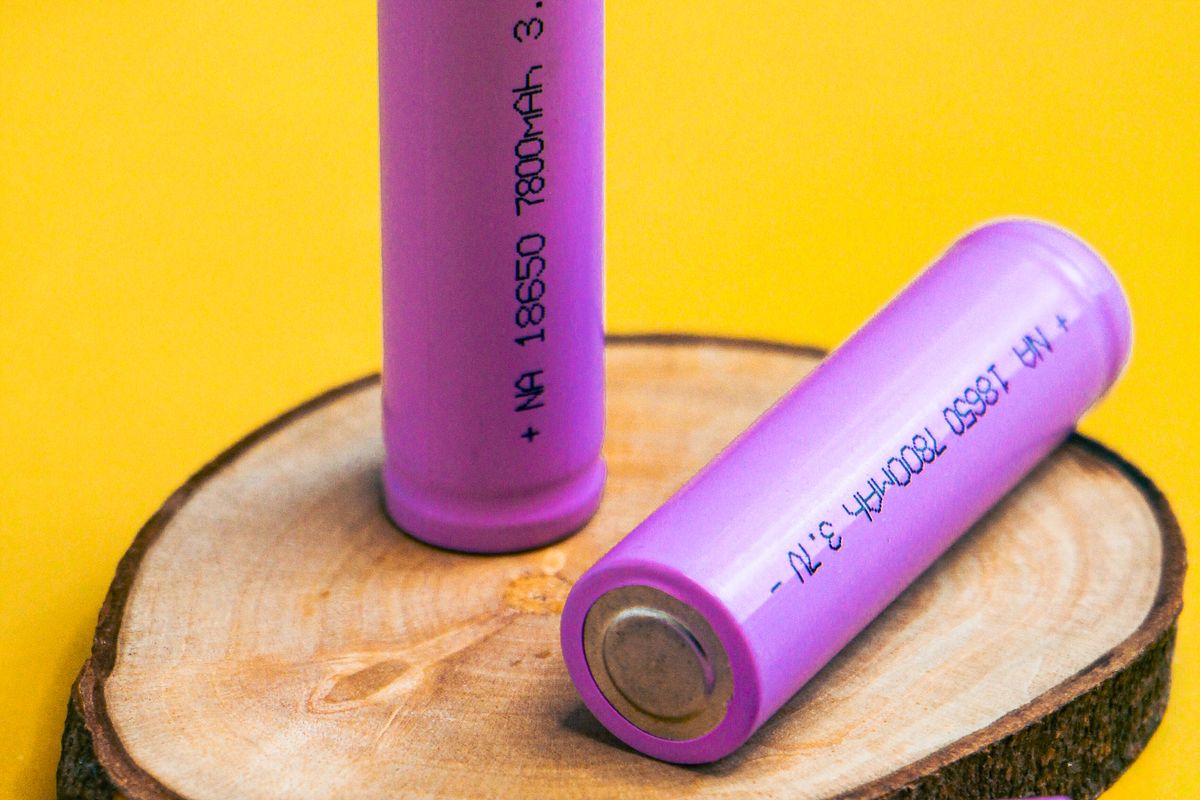
- UN38.3 certifies a lithium battery is safe to transport. It's required for air and sea freight — but on its own it does not mean the battery can travel in the aircraft cabin.
- Cabin or hold acceptance depends on the battery's watt-hours (Wh) and the airline's own policy. Many carriers cap removable mobility batteries at around 300 Wh for the cabin.
That's why Air Lite's 240 Wh is a genuine selling point — it sits under that common threshold, which generally makes it the more cabin-friendly choice. Carbon One and Air Pro are light and packable, but their watt-hours aren't published yet, so don't promise cabin carriage on those until the figure is confirmed. And in every case the final call rests with the specific airline and its current rules — confirm per carrier, never promise the cabin outright.
So which one for your buyer?
- Premium / flagship travel retail → Carbon One. The lightest, most compact, highest-value chair — your hero SKU and the answer to "how light, how small?"
- Value travel retail & high-volume e-commerce → Air Lite. The cabin-friendly 240 Wh battery, a keen price point and the broadest appeal make it the default volume seller.
- Comfort-led travel → Air Pro. The ergonomic seat frame for customers who sit longer and travel often, at a small weight premium.
All three are factory-direct and OEM / ODM-ready — your brand on the chair, your packaging and manuals, from low minimums — built on one line under one set of documentation, so adding the second or third travel SKU doesn't mean re-sourcing.
Building a travel-mobility range? Tell us your market and volumes, and we'll recommend which of the three to start with, send the line sheet and the travel-model specs, and quote OEM / ODM options. → Request a quote